
About Us
The ERN Story
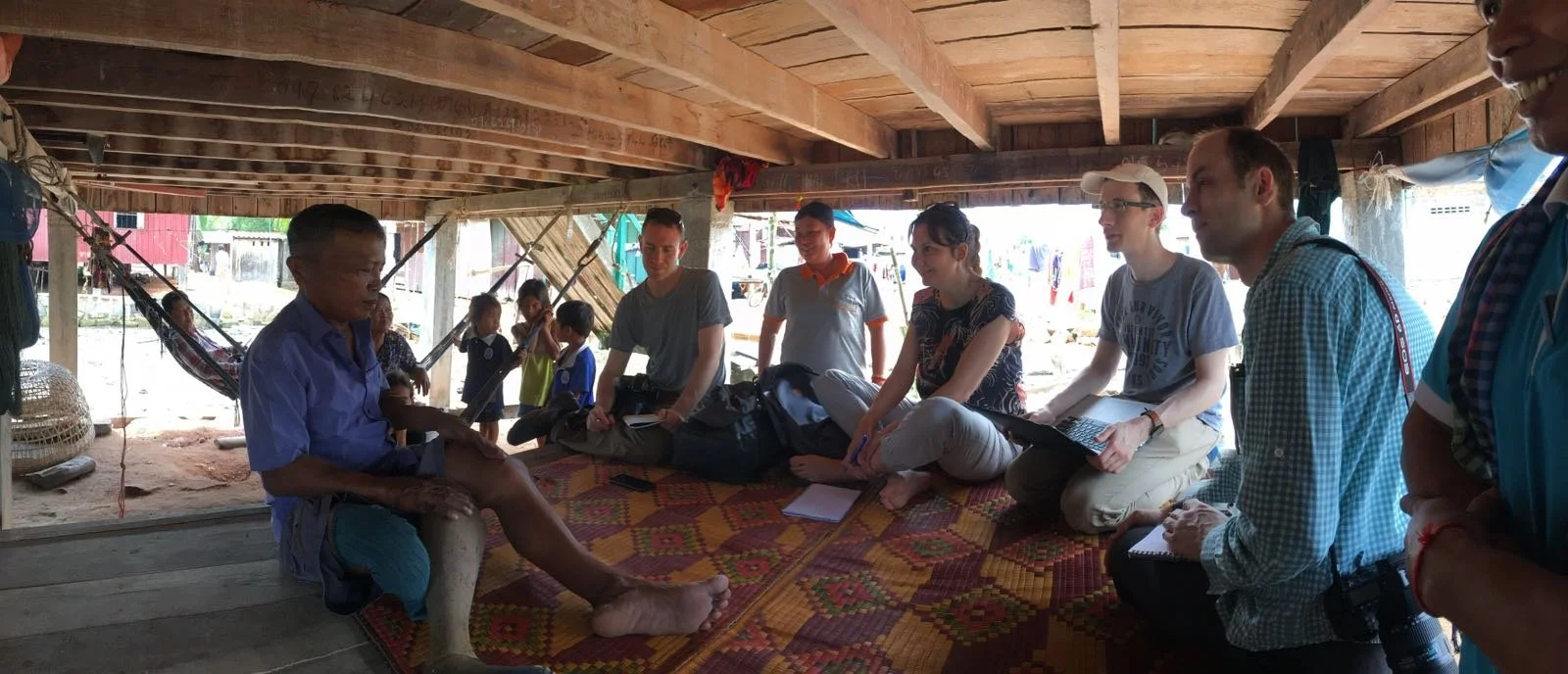
ERN emerged when Exceed Worldwide, a leader in the provision of prosthetics and orthotics (P&O) education and services in lower resource locations, reached out to the university and business sectors. The goal was to create a research consortium which would combine the academic discipline of professional researchers with the experience of disability practitioners to drive high quality applied research and support the work of P&O service providers.
The Exceed Research Network first convened in February 2015. What began as a small gathering has become a multi-national network with members representing organisations that work in Africa, Asia-Pacific, Europe, North America, South Asia and Southeast Asia.
ERN is now a unique, multi-sector, voluntary network of experts involving more than 30 organisations, including universities, NGOs, P&O businesses and public sector bodies. Its individual members include eminent researchers and disability practitioners with a wide range of capabilities.
ERN areas of expertise include disability policy; health systems; P&O education and services; bio-engineering; P&O device development; ethical research and service provision; outcomes and effectiveness measures; disability measurement and statistics; ethical data access and analysis; health economics; mental health; poverty and social inequality; physiotherapy; quantitative and qualitative research; PO business; market research and the development of new, sustainable P&O service models.
This rich mix of expertise enables ERN to form multi-sector consortia to carry out funded and unfunded research, centred on P&O and wider disability issues in lower resource settings. Through high-quality, high-impact activities, ERN shapes the research agenda by setting research and ethical standards, building capacity, improving the lives of people with disability and disseminating knowledge on disability research and its impact in lower-resource countries.
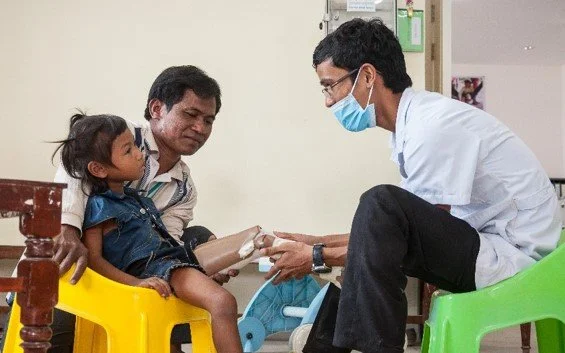
Michael Berthaume, King’s College London, discusses ERN.
Aspiration to Impact
ERN’s core purposes are to carry out high-quality applied research in the prosthetic and orthotic (P&O) and wider disability sectors; build local capacity in research locations; communicate research outcomes; and support the work of Exceed Worldwide and other service providers to develop, deliver and refine physical rehabilitation services in low resource settings.
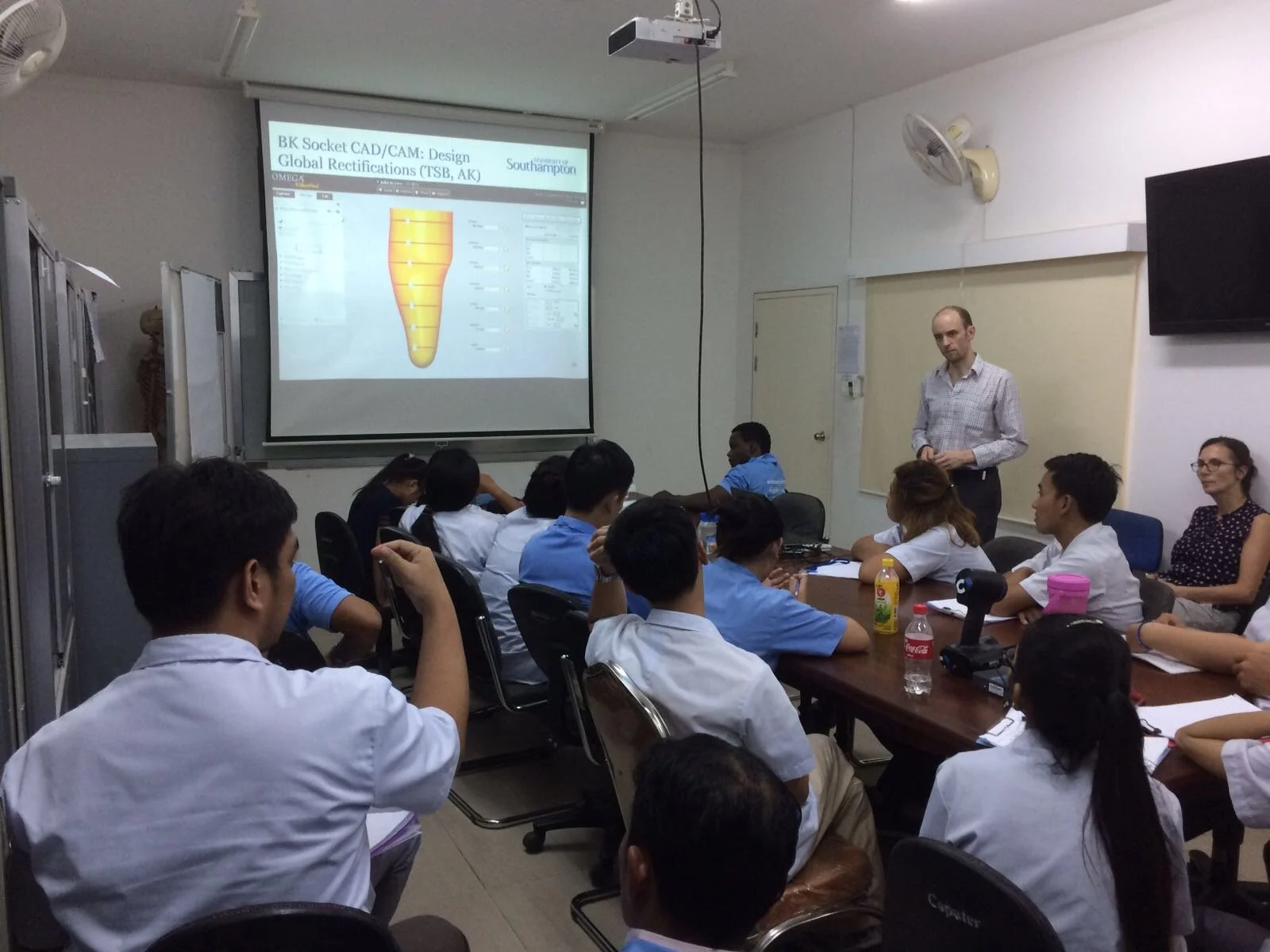
The Network’s track record confirms that its research activities have embraced these objectives.
ERN field research incorporates local capacity building. People with disabilities have benefited. Research has helped to shape services. Research findings have been disseminated widely in peer-reviewed publications and other communication channels.
These impacts have come from a research programme with external and internal strands.
Research supported by funding bodies, including the UK Engineering and Physical Sciences Research Council, the Swedish Research Council, Innovate UK and other Global Challenge funders, has centred on prosthetic and orthotic and other disability issues. These include accessing, analysing and using historical patient data; disability and mental health; P&O services and the quality of patients’ lives; investigating and testing new service models; P&O device development; remote patient assessment and monitoring device use.
Internal ERN research includes work on ethical research and service delivery in lower resource settings; the impact of trade barriers on the movement of P&O products and the development of appropriate and meaningful outcome measures to assess the im patient pact of physical rehabilitation services on patients.
People with disabilities, service providers and researchers benefit from the impact of ERN activities, because ERN research deploys academic rigour, influenced by the experience and needs of service providers. This approach rewards both professional researchers and service providers, as it addresses practical issues and provides high-value information for publication.
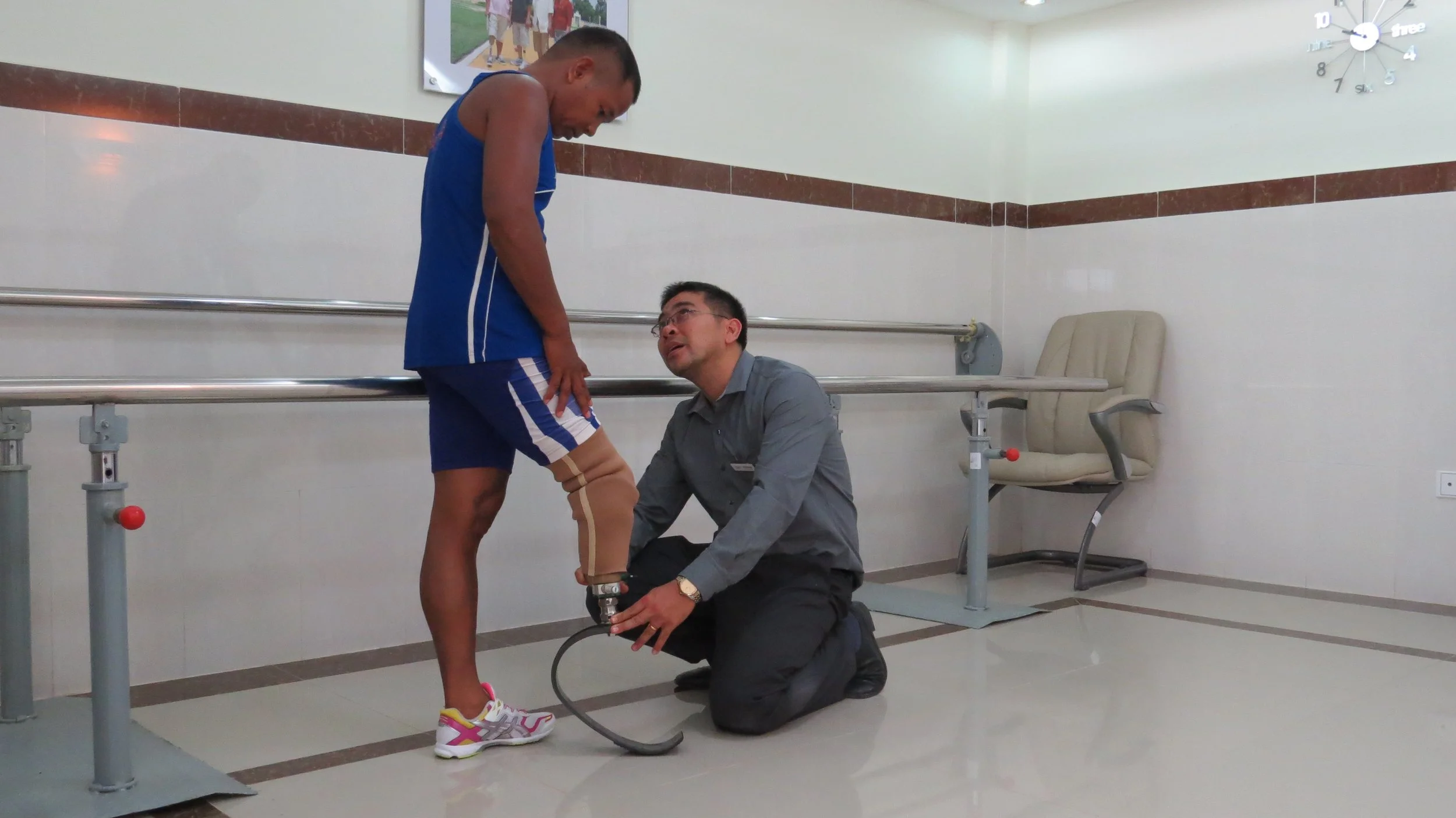
Most importantly, people with mobility impairments have benefited from the development and testing of new, low-cost, environmentally-appropriate devices; mental health screening and intervention and the introduction of a new, multi-partner P&O service model in Cambodia. In addition, the research capability of Exceed Worldwide P&O clinicians and students in Cambodia has improved dramatically and staff members have been trained to offer mental health support as a new service element.